A diesel pickup makes a strong impression pulling a heavy trailer. But if most of your week involves commuting, school runs, and a few bags in the bed, the extra capability has to earn its place in the budget.
Start with what the truck will actually do. That includes the ordinary days between towing trips. A gas pickup sized correctly for the load is often a better fit than buying a diesel for work that rarely happens.
Check Pickup Payload and Towing Ratings First
Before choosing an engine, work out the loaded trailer weight and everything that will ride in the truck. Passengers, tools, bed cargo, and the weight pressing down on the hitch all count against the truck's limits. Check the labels on the actual vehicle and the towing guide for its configuration.
Does choosing a diesel automatically give you more payload? Not necessarily. The heavier engine uses some of that allowance, even if the truck has a higher towing rating. We help review the truck's configuration and maintenance needs, but an advertised maximum for another cab, axle ratio, or trim doesn't tell you what this truck is rated to carry.
Diesel Pickups Make Sense for Regular Heavy Towing
A diesel's strong torque at lower engine speeds suits sustained heavy work. Pulling a substantial trailer over long distances is where that character becomes easier to appreciate. An exhaust brake, on trucks equipped with one, also helps control speed on descents. That doesn't take trailer brakes or weight limits out of the conversation. A truck still needs the right hitch setup and working trailer brakes where required. If you're buying used, tell us what you plan to tow so we can check the truck with that work in mind, including signs of leaks, overheating, or shifting trouble.
Short Trips Change the Diesel Ownership Picture
Many modern diesels use a diesel particulate filter to collect soot, then burn it away during regeneration. Repeated short trips and long stretches of low-speed use sometimes keep that process from finishing. The truck's manual and dashboard messages explain how to drive it when regeneration is required.
Would your normal week give it enough time to complete that process? If the truck mostly makes brief errands and rarely tows, a gas engine often fits that routine with fewer diesel-specific service demands. Don't buy a diesel expecting to ignore its operating requirements because it has plenty of power.
Compare Gas and Diesel Fuel Costs With Your Own Mileage
Better MPG doesn't always mean a smaller fuel bill. Divide your expected annual miles by realistic MPG, then multiply the gallons by the local fuel price. Do the same for each truck, using similar driving and towing conditions.
Put these details side by side:
- Annual mileage and how much of it involves towing
- Loaded trailer weight and usual bed cargo
- Fuel economy under comparable driving conditions
- Local gas and diesel prices
- Scheduled maintenance for each engine
- Purchase price and likely upcoming repairs
Check the numbers again if your work changes. A truck hauling a tall camper every weekend has a different job from one towing a small open trailer a few times a year, even when their unloaded commutes look much the same.
Gas and Diesel Truck Maintenance Is Different
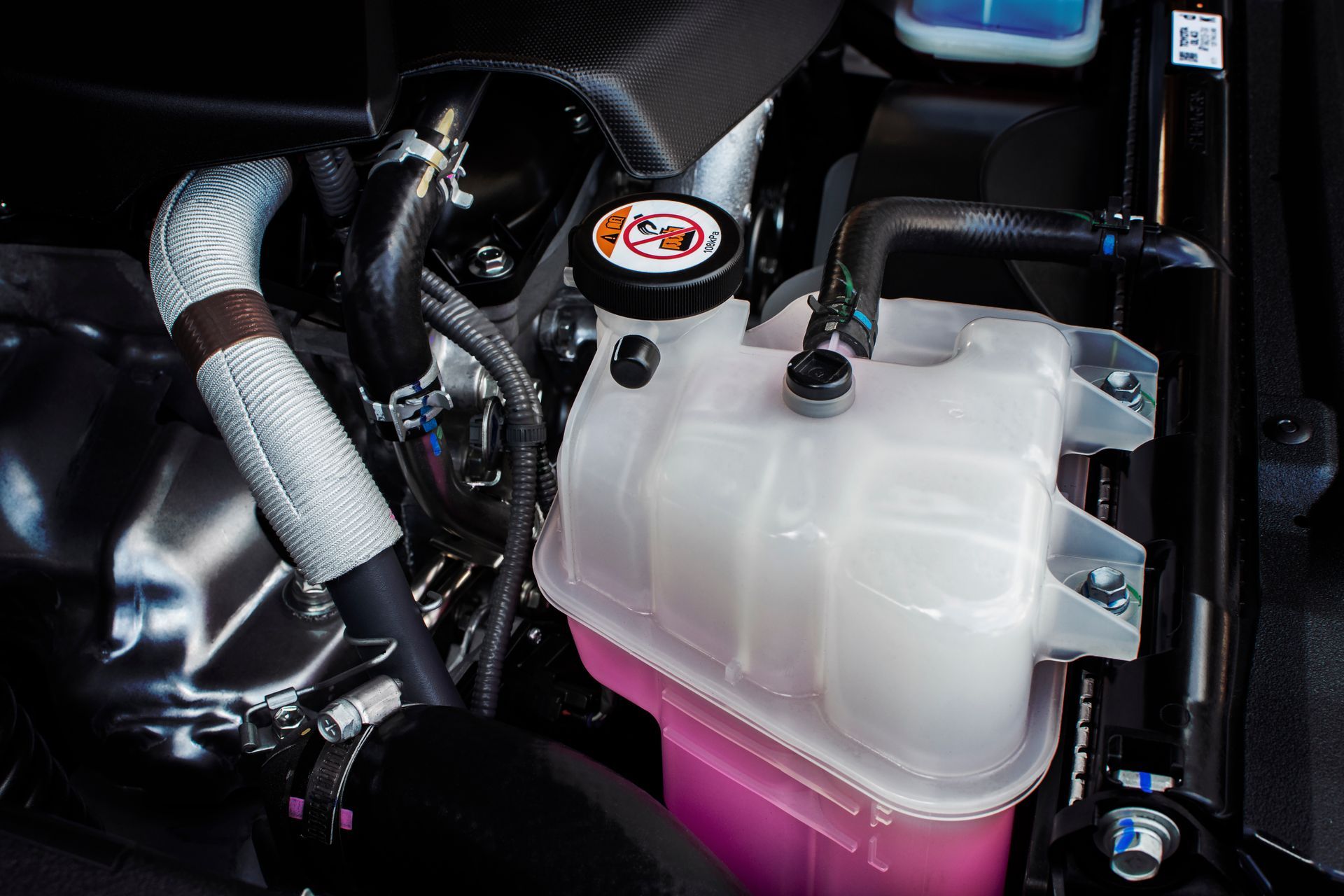
Diesel service often includes more engine oil, specific fuel-filter work, and diesel exhaust fluid on equipped trucks. High-pressure injection and emissions repairs also belong in the ownership budget. Gas engines have their own requirements, including spark plugs and engine-specific maintenance.
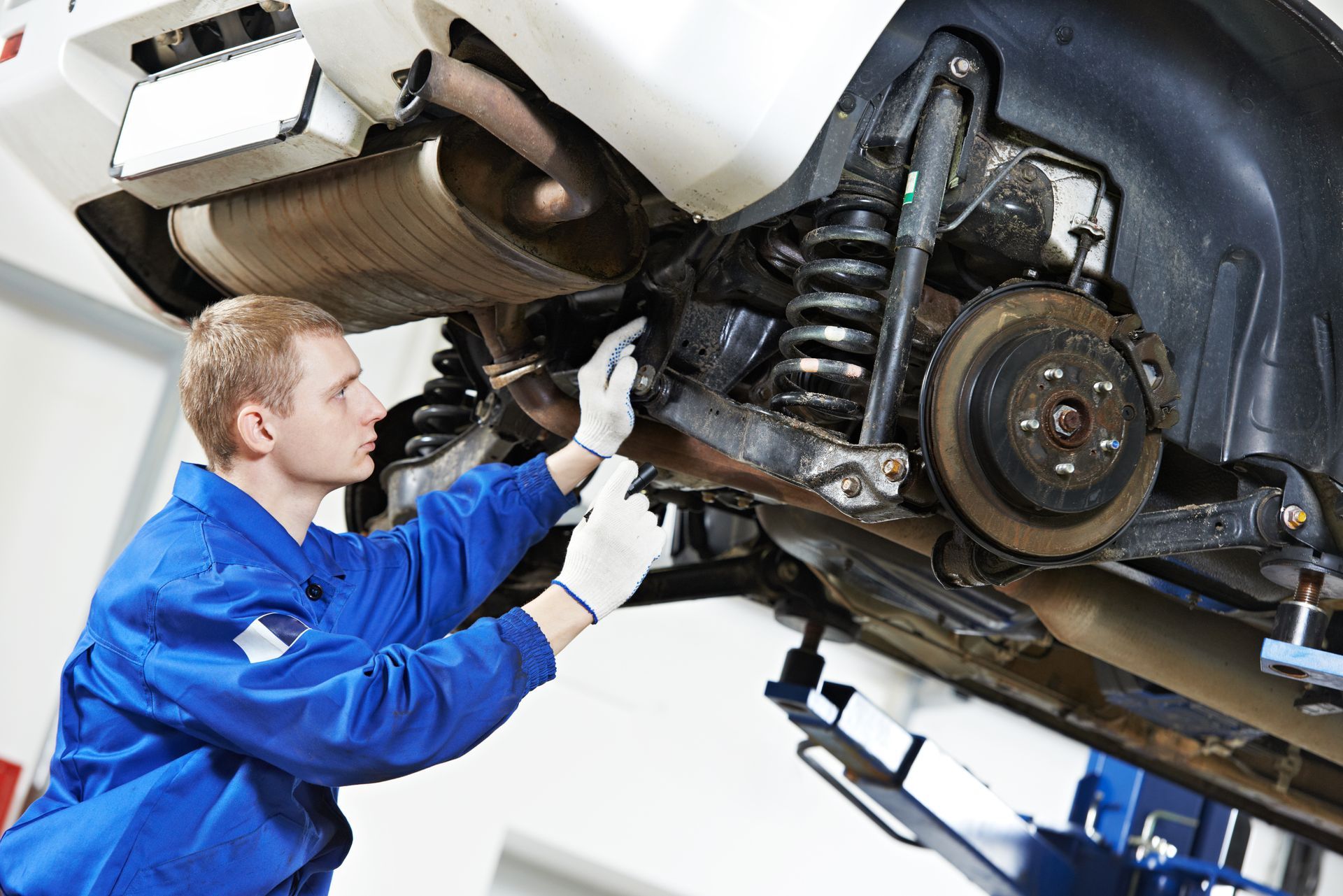
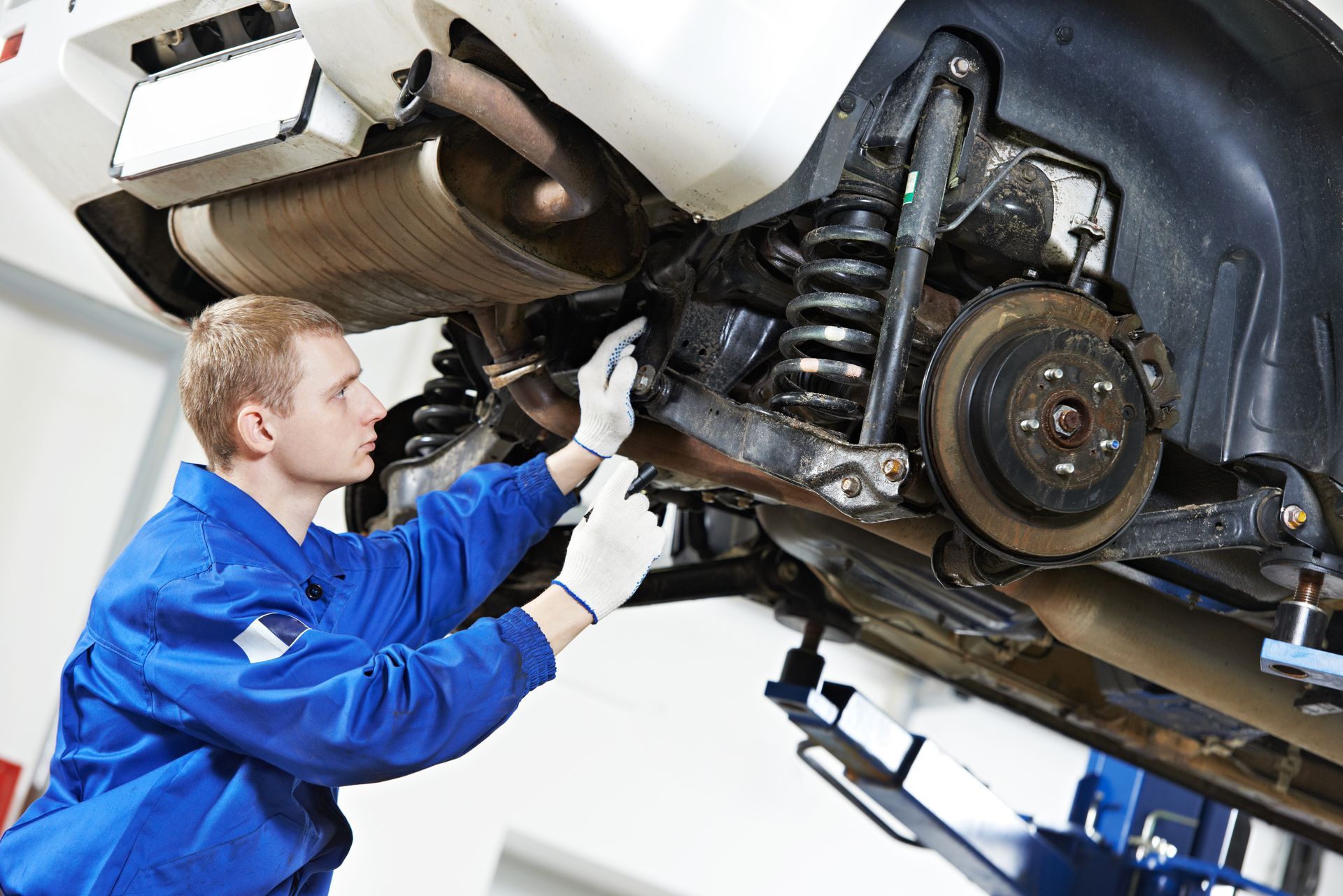
How well has a used truck been maintained? Service records help answer that far better than a clean engine bay. We review the history, check for leaks, review stored fault codes, and assess how the truck starts and drives. Repeated warning messages or missing fuel-filter records deserve a conversation before the purchase, not after the first loaded trip.
Choose the Pickup You'll Want to Own Every Day
Think about parking, commuting, and the repair budget as well as the biggest trailer trip on the calendar. There's little benefit in stretching the budget for a diesel if keeping up with its maintenance becomes difficult. Equally, regularly asking an undersized gas truck to do heavy work isn't a sensible saving.
The best comparison uses the trucks you're actually considering. Bring their details and your expected loads, and we can explain the service differences.
Then you can choose based on the work your truck will do, with a clearer picture of the maintenance that comes with it.
Pickup Truck Service at Best Auto Care in Spring, TX
Best Auto Care in Spring, TX, can review pickup maintenance and inspect a used truck before you buy. Tell us about the towing and everyday driving you have planned.
Schedule a truck inspection before you commit to the next pickup.