You're taking the same route to work, but the fuel gauge seems to move faster every week. Maybe the dashboard average has fallen from 24 mpg to 20, or you're filling up a day earlier than usual. One disappointing tank doesn't prove there's a mechanical problem. If the change lasts for several fill-ups, these five everyday causes are sensible places to start looking.
1. Low Tire Pressure or Excess Rolling Resistance
Underinflated tires flex more as they roll, which wastes energy as heat. A tire that's several pounds below its specified pressure also changes steering response and wear. It's easy to overlook a gradual pressure loss because the vehicle still drives normally. Check pressures when the tires are cold and use the placard on the driver's door opening, not the maximum number molded into the tire sidewall.
Tire type and alignment influence rolling resistance too. A wheel that isn't tracking correctly scrubs across the pavement, sometimes leaving feathered tread wear before the owner feels a pull. In Spring, seasonal temperature swings aren't usually extreme, but tire pressure still changes with temperature. Include pressure and tread condition in routine maintenance. If one tire repeatedly loses air, look for a puncture or wheel-seal problem. Simply refilling it every few days isn't a lasting repair.
An underinflated tire may not look flat. A modern low-profile tire can hide a pressure loss behind its stiff sidewall, especially when the vehicle is loaded. Use a reliable gauge in the morning before driving, including the spare if your vehicle has one. If the pressure warning keeps returning, identify the leak. Buying gas while leaving a tire several pounds low is an expensive way to postpone a simple repair.
2. Traffic, Short Trips, and Long Idle Time
A truck that spends twenty minutes idling in a school pickup line uses fuel without adding any miles. That pushes its miles-per-gallon average down, even if the engine is healthy. Repeated short trips also keep the engine in its warm-up phase for a larger part of each drive. Heavy acceleration, carrying unnecessary weight, and higher highway speeds add to fuel consumption in different ways.
Before blaming the engine, compare similar trips. Did your commute change from free-flowing highway miles to stop-and-go traffic? Are you making six short errands a day where you previously made one longer trip? A phone mileage log or several tank-to-tank calculations gives better context than a single display reading. Driving conditions don't account for every decrease, but they explain why fuel economy can change while the engine sounds and feels exactly as it did last month.
3. Ignition or Fuel Delivery Problems
A gasoline engine needs a consistent spark and the correct amount of fuel to make power efficiently. Worn spark plugs, weak ignition coils, injector deposits, and fuel pressure faults can interrupt that balance. Sometimes the change appears as hesitation or rough idle. Other times, the problem begins under load, such as accelerating onto the highway, before you notice anything around town.
A check engine light gives the shop a starting point, not a list of parts to order. A misfire code identifies a pattern the computer detected, while fuel-trim readings help show how the engine is adjusting its mixture. Replacing a set of injectors because the truck uses more gas is a costly gamble. We use your symptoms and service records to focus testing on the system that actually needs work. Follow the manufacturer's spark plug and filter maintenance schedule, but don't treat overdue parts as proof of every fuel-economy issue.
4. Wrong Temperature Readings or Airflow Information
The engine computer uses temperature, oxygen, and airflow information to decide how much fuel to deliver.
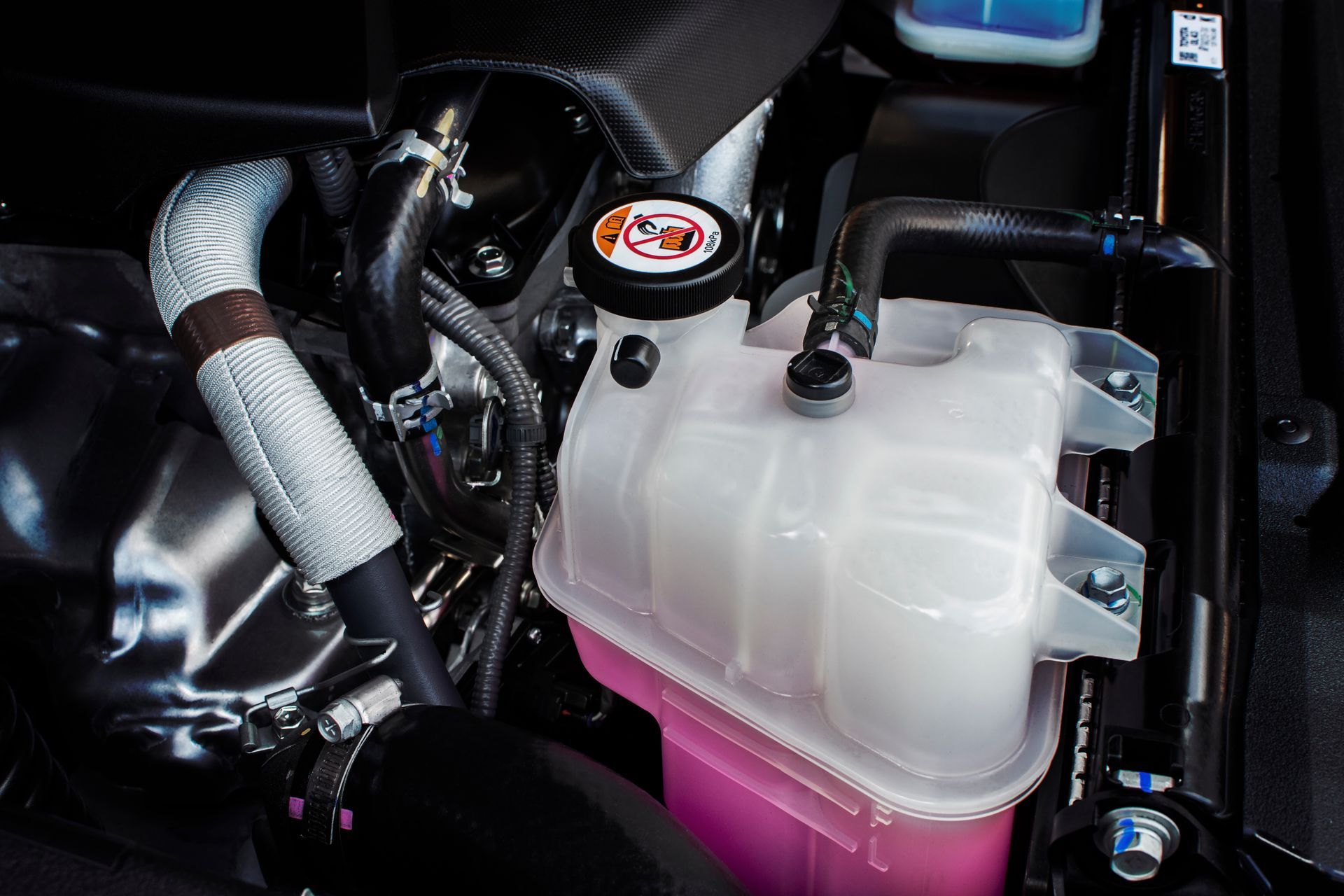
A coolant thermostat stuck open may keep the engine below its intended operating temperature, affecting fuel control on some vehicles. A contaminated mass-airflow sensor or exhaust oxygen-sensor fault creates a different set of incorrect readings. You might notice a temperature gauge that stays unusually low or a check engine light, although neither appears in every case.
What does a proper test look like? Start with the vehicle's actual operating temperature and recorded engine data. Compare the readings with the conditions during which fuel economy fell. Some engines use several sensors, and one implausible value can affect other calculations. Cleaning or replacing sensors without confirming the fault creates new variables and may leave the fuel bill unchanged. Modern electronic controls are capable, but they still depend on good information.
5. Dragging Brakes or Other Mechanical Resistance
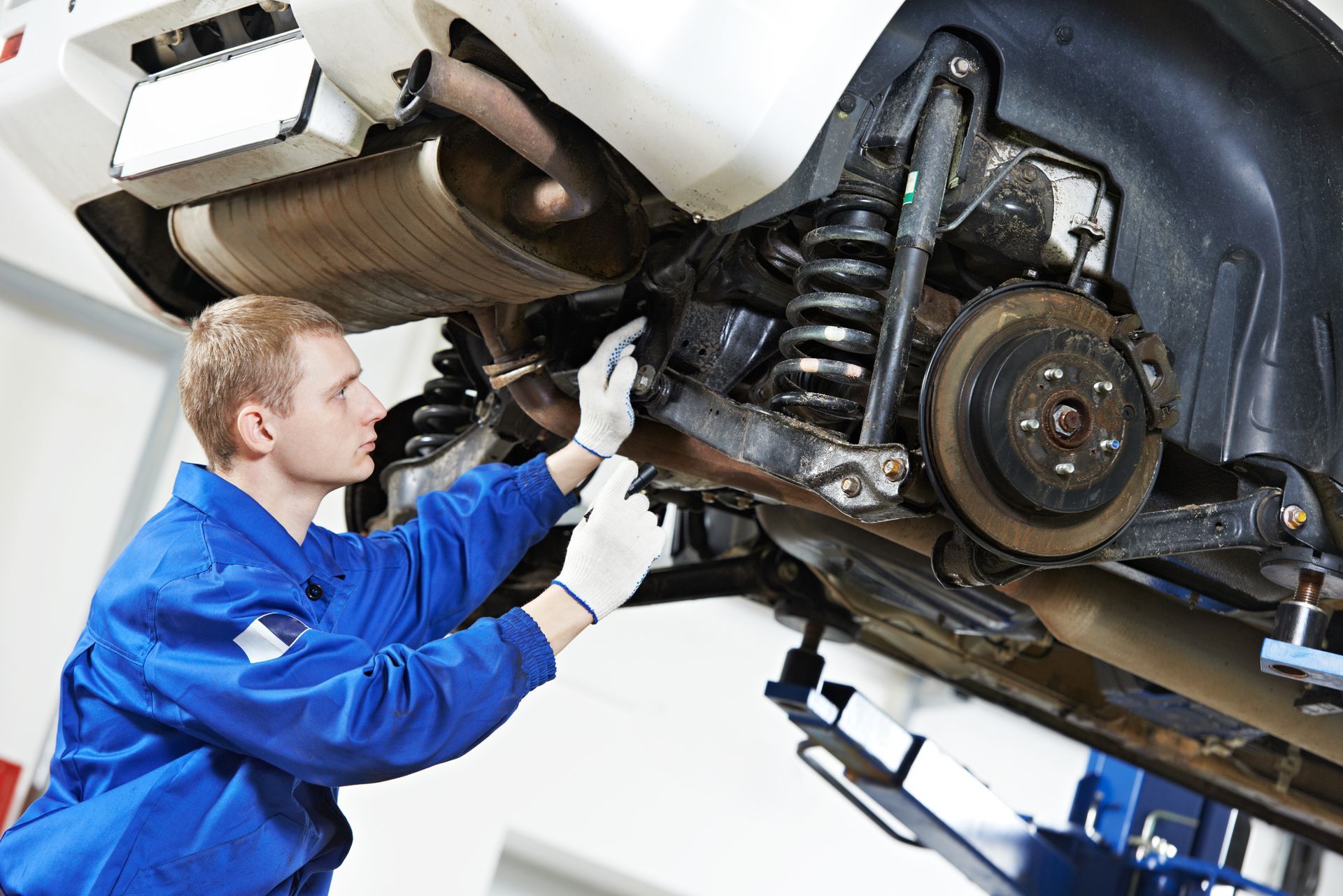
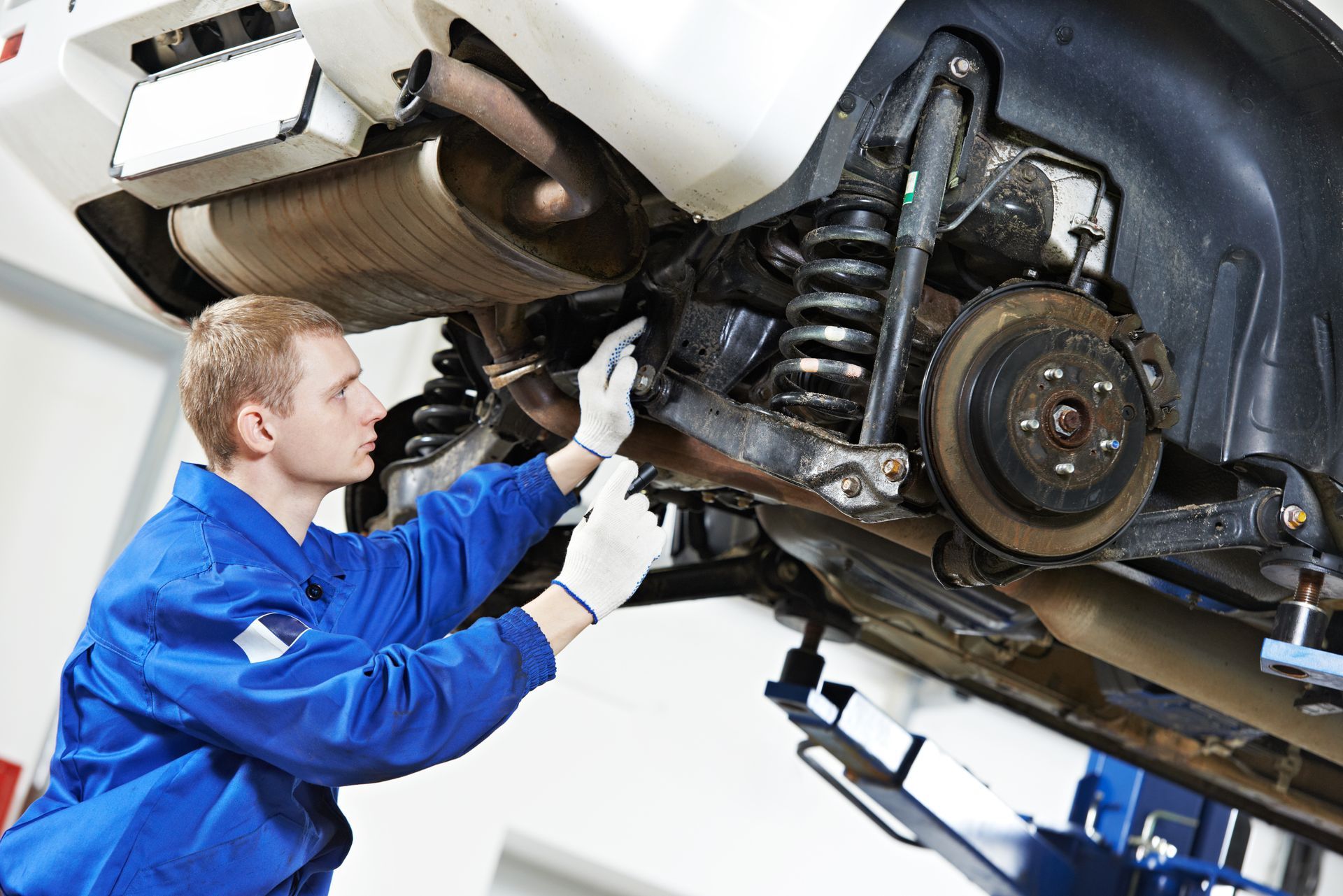
A caliper that doesn't release completely makes the engine work against a small but constant braking force. The vehicle may still stop and accelerate normally. More obvious cases leave one wheel unusually hot, produce a burning smell, or cause the car to pull. Worn bearings and drivetrain problems create additional resistance in certain circumstances, although they're less common explanations for a gradual mileage drop.
If you notice a burning odor or a wheel that seems abnormally hot, avoid touching it and arrange service promptly. For a brake-related fuel loss, our inspection considers pad movement, caliper operation, and hardware condition before we recommend parts. Keeping a record of fuel use, tire pressures, warning lights, and recent maintenance helps connect the decline to a real change. The objective isn't to chase one perfect mpg number. It's to find why your own car or truck is suddenly using more fuel on the same kind of drive.
When a mechanical drag problem develops slowly, the fuel economy trend may be more noticeable than the handling change. Compare an ordinary trip today with the same route before the decline. If the car now needs a little more throttle to hold speed, mention that observation, but don't attempt risky coasting tests on public roads.
The shop can check for abnormal resistance with the vehicle properly supported and the brake system cooled.
Get Fuel Economy and Engine Performance Inspection in Spring, TX, With Best Auto Care
Best Auto Care in Spring, TX, can discuss changes in fuel use, tire condition, and engine performance. We'll work from the pattern you've noticed before recommending a repair.
Call
Best Auto Care or schedule a fuel-economy inspection online.